Modern Life Is a Subscription Service You Can Never Cancel

Updated: Jun 1
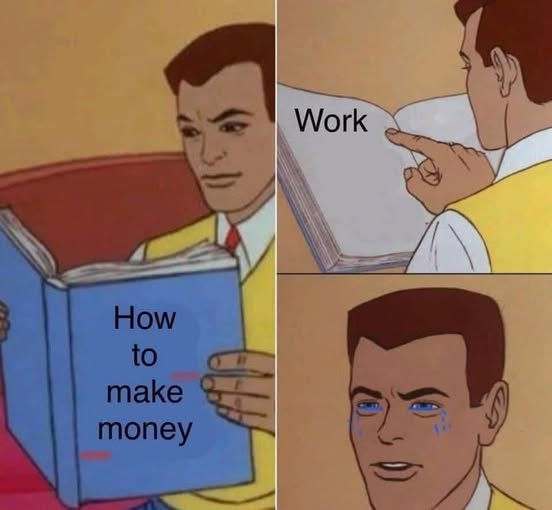
As I go through the list of the top five fogs in my current life, there is one fog that constantly haunts me more than all the others. It is my number one fog. Money obsession fog. I am constantly thinking about ways to make more money. Not because I need a bigger house, a nicer car, or some extravagant lifestyle. It is simply where my mind naturally goes. I am always looking for opportunities, businesses, investments, markets, trends, and ideas that could potentially create more income. Some people tell me I think about money too much. They say money is not everything. Whenever I hear that, I always find myself questioning it. If money is not everything, why are so many people working jobs they hate just to pay their bills? If money is not everything, why do people constantly complain about rent, groceries, debt, and the rising cost of living? Why do people spend hours budgeting, checking bank accounts, worrying about unexpected expenses, and calculating whether they can afford something? Whether people admit it or not, money occupies a huge amount of mental space in modern life.
What I have noticed is that the obsession with money never really goes away. It simply changes form. When someone is struggling financially, they think about survival. They worry about where the next rent payment is coming from. They worry about paying the electricity bill, covering groceries, or making it to the next paycheck. They think about every dollar because they have to. But when someone finally accumulates money, the thinking does not
stop. Instead, the questions change. Now they wonder where their money is being treated best. They compare interest rates, investments, taxes, and opportunities. They think about protecting wealth, growing wealth, and allocating capital efficiently. The broke person obsesses over not having enough money. The wealthy person obsesses over managing what they already have. Both are still thinking about money every day. They are simply playing different levels of the same game.
The more I think about it, the more I wonder if life itself is almost designed to push us in this direction. Our bodies come with built in subscriptions before we ever earn our first dollar. We get hungry every day. We need water constantly. We need sleep every night. We have sexual desires and biological drives that never fully disappear. We have to brush our teeth, cut our hair, trim our fingernails, exercise, recover, and maintain our health. None of these things can be completed once and forgotten forever. They constantly return. They constantly require attention. The moment one need is satisfied, another one appears. It is almost as if being human itself comes with recurring maintenance costs built directly into the software.
Then modern society layers an entirely different set of subscriptions on top of the biological ones. We need shelter. We need electricity. We need water. We need internet. We need a phone. Most people need transportation. If you own a car, there is gas, insurance, registration, maintenance, repairs, and unexpected breakdowns. Then there are groceries, entertainment, social events, holidays, travel, restaurants, streaming services, hobbies, and countless other expenses that quietly become part of everyday life. Every month another collection of bills arrives asking for payment. Some are necessary for survival. Others are necessary for comfort. Others are necessary for participation in society. But together they create an endless stream of recurring costs that never seem to stop.
When I zoom out and look at the entire system, it starts to feel like life itself operates as one giant subscription model. The cost of existing renews every month. The cost of comfort renews every month. The cost of convenience renews every month. The cost of participating in modern society renews every month. It does not matter if you are rich, poor, young, old, ambitious, or completely uninterested in status. Eventually you have to solve the money problem. You can reject materialism. You can live minimally. You can choose not to chase luxury. But unless you completely remove yourself from society, money remains one of the central variables that influences your quality of life.
That is why I sometimes struggle when people tell me I think about money too much. Maybe they are right. Maybe I do. But I also think the system constantly forces money into our field of vision whether we want it there or not. It affects where we live, what we eat, how we spend our time, who we spend our time with, and how much freedom we ultimately have. Maybe my money obsession fog is not entirely my own creation. Maybe it is simply the natural consequence of living inside a world where almost everything runs on recurring payments. A world where existence itself often feels like a subscription that automatically renews every month whether you are ready for the next bill or not. Now Lancey Poo allow yourself to figure out how to become uber rich in the simulation.


Comments